
Shade-Ready Living: Plants for Hallways, Bedrooms, and Studios
Explore low-light living areas with practical guidance on plant selection and maintenance for hallways, bedrooms, and studios. We will demystify light levels, highlight resilient species that accept gentle conditions, and build easy routines that protect rest, schedule sanity, and style. Expect actionable steps, real-world anecdotes, and thoughtful safety notes, so your spaces feel calmer, greener, and more personal without relying on harsh lamps or constant fussing.
Understanding Light When Windows Are Distant
Low light does not mean no light. It means fewer photons for shorter hours, softer shadows, and slower growth. Knowing this changes expectations and care. You can boost results by using pale walls, mirrors, or glossy surfaces that bounce light deeper indoors, choosing locations where you can still read comfortably, and accepting that patience and placement often matter more than fertility or frequent watering.
Reliable Plants for Dim Corners
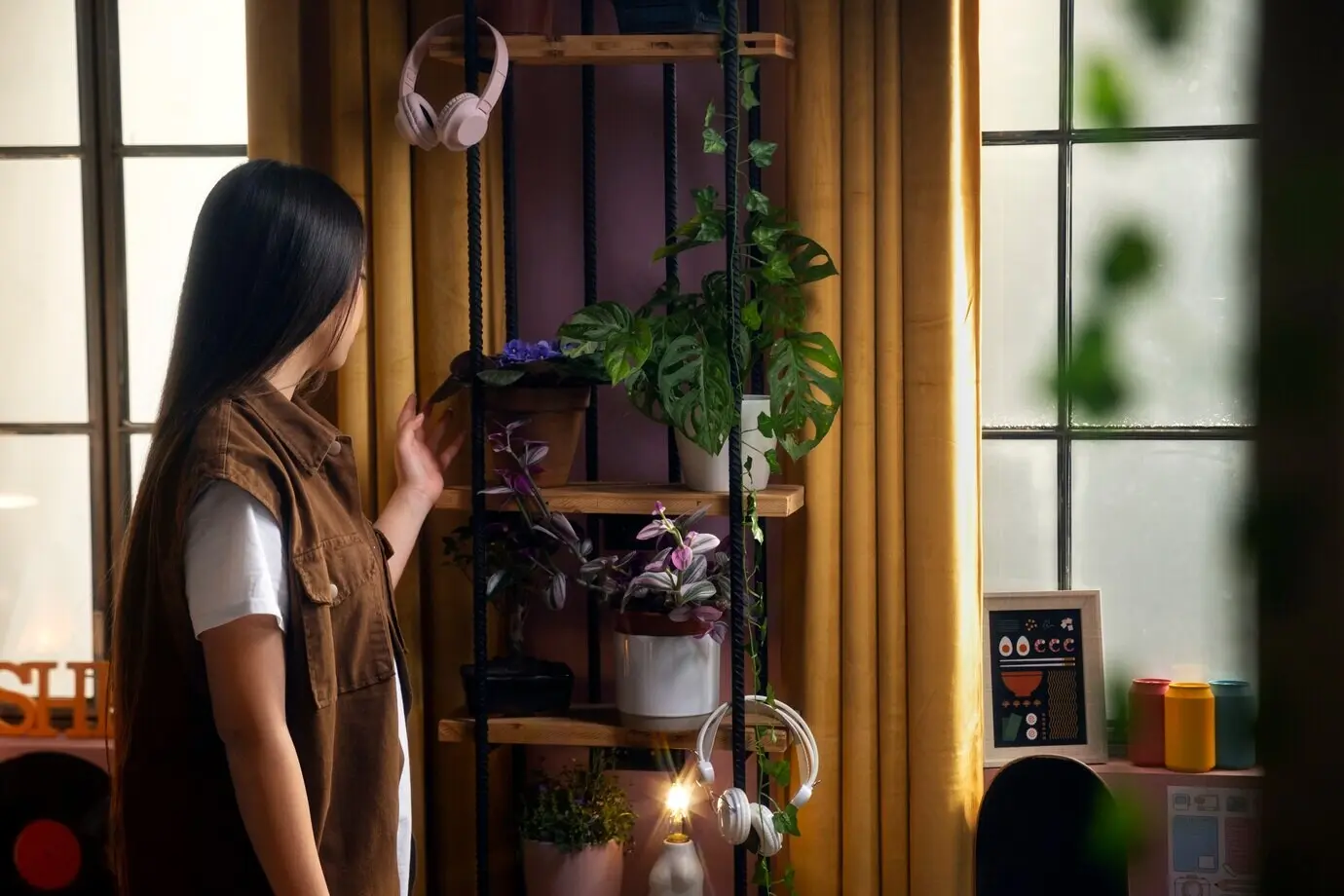
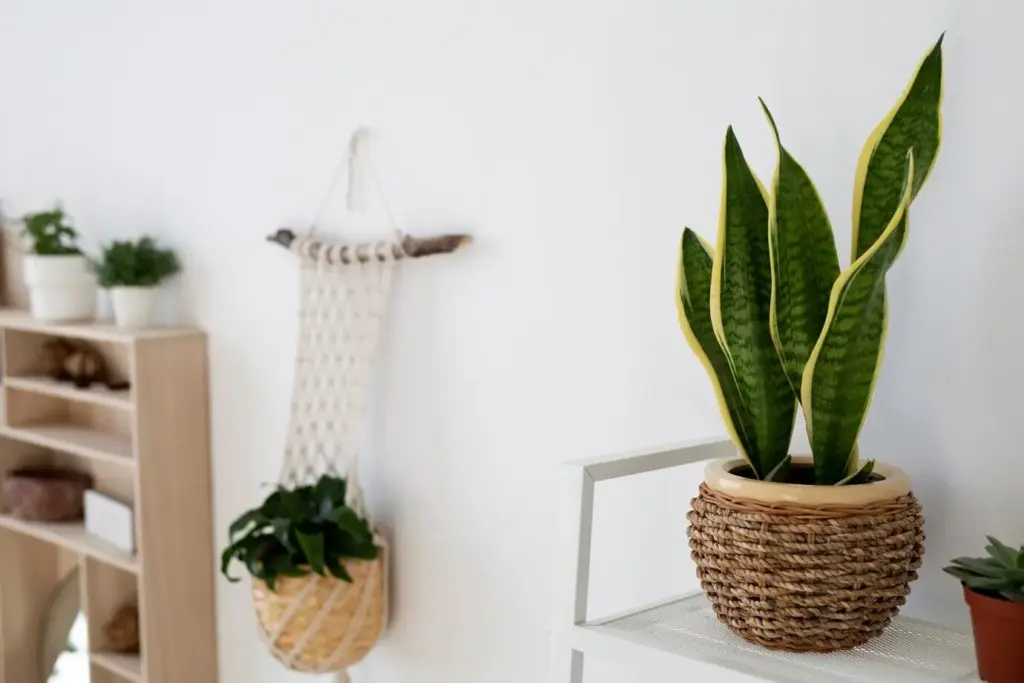
Success starts with forgiving species that accept slow growth, infrequent watering, and occasional forgetfulness. Favor plants with thicker leaves, sturdy rhizomes, or shade-evolved habits. Look for snake plant, ZZ plant, pothos, scindapsus, cast iron plant, parlor palm, and peace lily. Match each plant’s eventual size and toxicity profile to pets, children, and space constraints. Choose confidence first, collector rarities later, and celebrate steady, quiet improvement.
Hallways That Barely See the Sun
Pick stalwarts that handle interruptions and limited light: ZZ plant for underground rhizomes that store water, snake plant for architectural lines, pothos or scindapsus for trailing softness, and cast iron plant for legendary toughness. Use narrow planters with heavy bases to resist bumps, and water sparingly, especially in winter. If pets roam, confirm toxicity and elevate trailing vines. Rotate monthly so growth remains balanced and tidy.
Bedrooms That Favor Calm Air
Choose plants that look serene and tolerate closed curtains: peace lily for elegant leaves and occasional blooms, heartleaf philodendron for gentle cascades, parlor palm for feathered texture, and lady palm for refined fans. Keep fragrance subtle and avoid pollen-heavy species. Remember, indoor plants do not purify air dramatically, but leafy companions can dampen echo and support routines that feel mindful. Prioritize non-intrusive silhouettes and easy, quiet care.
Studios That Need Space-Savvy Greenery
When every inch matters, go vertical. Train pothos up a tension pole, mount scindapsus on slim boards, or tuck a compact parlor palm into a corner behind a chair. Use wall shelves to lift foliage above workspace glare and cables. Choose slow growers that stay neat between trims. If a discreet bar light helps, keep intensity low, duration modest, and angle gentle to preserve visual calm.
Care Rituals That Prevent Rot and Stress
Low-light care is a conversation about restraint. Plants sip, not gulp, and roots demand air pockets more than fertilizer surges. Water only when the mix has genuinely dried to a finger’s depth, loosen crowded media, and keep drainage generous. Dust leaves so they can harvest scarce light. Gentle consistency builds resilience; urgent fixes and constant tinkering often invite pests, fungus, and discouraging setbacks in quiet rooms.
Placement, Safety, and Style That Work Daily
Beautiful stays beautiful when it respects movement, sleep, and daily tasks. Keep pathways clear, secure tall planters, and favor shapes that do not snag clothing. Avoid tripping hazards, bright lights shining into beds, and heavy pots perched above head height. Layer heights to create depth without clutter, and choose containers that echo your decor. Safety-first layouts invite lasting enjoyment instead of fragile, high-maintenance displays.

Reading Leaves Like a Journal
Every mark tells a story. Yellow lower leaves often mean overwatering; crispy tips suggest underwatering or low humidity; pale, long internodes hint at insufficient light. Peace lily droops reliably before watering time, then perks after a drink. Rotate plants monthly so growth evens out. Check roots during repotting for healthy white strands. Record what works, because your home’s rhythms are the most important guide.
Pests in Tight Quarters
Spider mites thrive in dry, still corners; mealybugs hide at nodes and under leaves. Inspect weekly with a flashlight, quarantine new arrivals, and rinse leaves in the tub when needed. Use insecticidal soap or diluted neem oil thoughtfully, repeating treatments to catch hatch cycles. Keep saucers clean, avoid swampy soil, and trap fungus gnats with sticky cards. Consistent observation beats crisis spraying, especially in restful sleeping spaces.
Stories, Community, and Your Next Step
Green success feels stronger when shared. Real spaces, real schedules, and real constraints deserve practical cheerleading. We gather stories that prove subtle changes—rotating pots, adding a mirror, trying a tougher species—can refresh a hallway, soften a bedroom, or energize a studio. Share your wins, ask questions, and subscribe for gentle reminders. Let a supportive circle keep your plants thriving through seasons and busy weeks.