
Greening Your Space with Purposeful Placement

Let’s explore plant-friendly interior design by matching shelves, corners, and windowsills to real care requirements like light, humidity, airflow, temperature, and access for watering. You will learn to read room microclimates, protect furniture, and design beautiful, stable layouts. Ask questions, share photos, and subscribe to grow skills and confidence alongside your collection.

Light Mapping for Smarter Placement

Reading Window Exposures without Guesswork

North-facing glass often offers gentle consistency, east gives tender morning rays, south can deliver intense midday power, and west brings warm afternoon bursts. Track shadows at breakfast, lunch, and evening to discover safe zones for sensitive foliage and sun lovers. Note seasonal sun angles to keep placements working year-round.

Distance, Diffusion, and the Magic of Sheers

Light intensity drops rapidly with distance from the window. A sheer curtain, frosted film, or slatted blind transforms harsh beams into plant-friendly brightness. Move shelves six to thirty inches from glass to balance power and safety. Adjust angle and height so leaves receive bright, indirect light without crispy edges.

Create a Room Light Map You Will Actually Use

Use a phone lux app or simple observations to label areas as bright indirect, medium, or low. Sketch windows, doors, and reflective mirrors, then mark shelves, corners, and windowsills by intensity. Recheck monthly, because trees leaf out, weather changes, and furniture shifts. Your future self will thank you.

Microclimates: Corners, Shelves, and Sills Under the Microscope

Every placement creates its own microclimate. Corners tend to be calmer and cooler, shelves feel drier with rising heat, and windowsills can swing wildly in temperature. When you match plant temperament to these conditions, care becomes easier. Growth habits, pot size, airflow, and humidity all influence the best home.

Windowsills: Heat Swings, Reflections, and Hardy Companions

Windowsills receive direct reflections from glass and nearby buildings, and they experience chilly drafts in winter plus hot glass in summer. Choose succulents, herbs, and sun-tolerant flowering plants that relish strong light. Add cork or bamboo mats, rotate weekly, and watch for scorched edges that signal a need for diffusion.

Shelves: Height, Overhang, and Built-In Illumination

Upper shelves bask in warm air but suffer from limited natural light, while lower tiers enjoy steadier temperatures with more shadows. Train trailing pothos, philodendrons, and hoyas to cascade safely. Tuck a slim grow light under overhangs, use timers, and avoid crowding so leaves breathe and pests find fewer hideouts.
Water, Drainage, and Furniture-Friendly Safeguards

A plant layout succeeds only when watering is clean, predictable, and safe for surfaces. Build protection into shelves, corners, and windowsills with trays, liners, and breathable pot choices. Plan a watering path, stage tools nearby, and standardize checks so moisture needs guide your schedule rather than surprise emergencies.

Pots, Saucers, and Hidden Reservoirs that Respect Roots

Choose pots with drainage holes and pair them with generously sized saucers or cachepots. Porous materials like terracotta help roots breathe, while plastic retains moisture longer for thirsty species. Consider leca inserts or mesh to prevent clogs. Allow runoff to finish before returning plants to shelves or sills.

Protecting Wood, Paint, and Stone from Moisture Mishaps

Safeguard furniture with cork sheets, silicone mats, or sealed trays that catch accidental overflows. Elevate pots on feet to prevent trapped moisture and discoloration. Wipe saucers after every watering. A quick investment in protective layers preserves finishes, reduces stress, and keeps your placement options open for future rearrangements.

Rituals that Make Watering Day Quick, Clean, and Consistent

Set a weekly route from windowsills to shelves to corners, carrying a caddy with a watering can, microfiber cloth, and moisture meter. Bottom-water heavy drinkers in a sink bin, then return them dry. Keep a simple log, rotate pots, and celebrate small wins to strengthen dependable habits.

Load, Anchors, and the Physics of a Reliable Shelf
Use wall anchors into studs or rated drywall toggles, oversized brackets, and screws appropriate for the combined weight of wood, pots, soil, and water. Keep heaviest items low and near the wall. A small test load today prevents tomorrow’s dramatic tumble and heartbroken leaves scattered across the floor.

Hanging in Corners without Drips or Wobble
Install a ceiling hook into a joist, add a locking carabiner, and use a short chain to limit swing. Nest a watertight insert inside your hanging pot to catch excess moisture. After watering, let baskets drain in a sink before rehanging, keeping corners dry, safe, and beautifully alive.

Kids, Cats, and Toxicity: Placement with Care
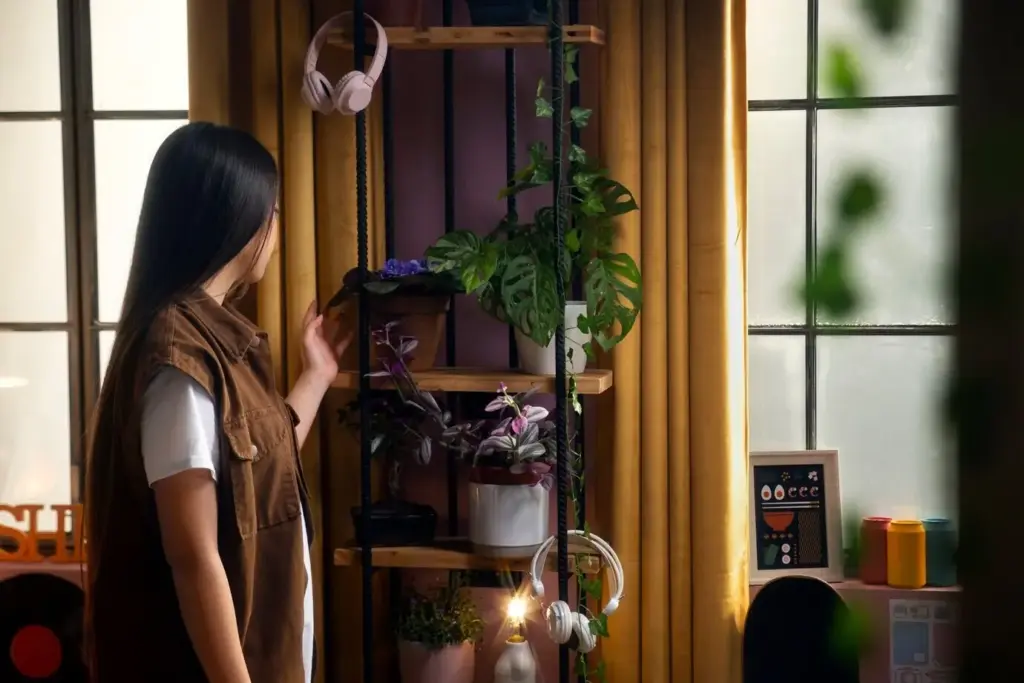
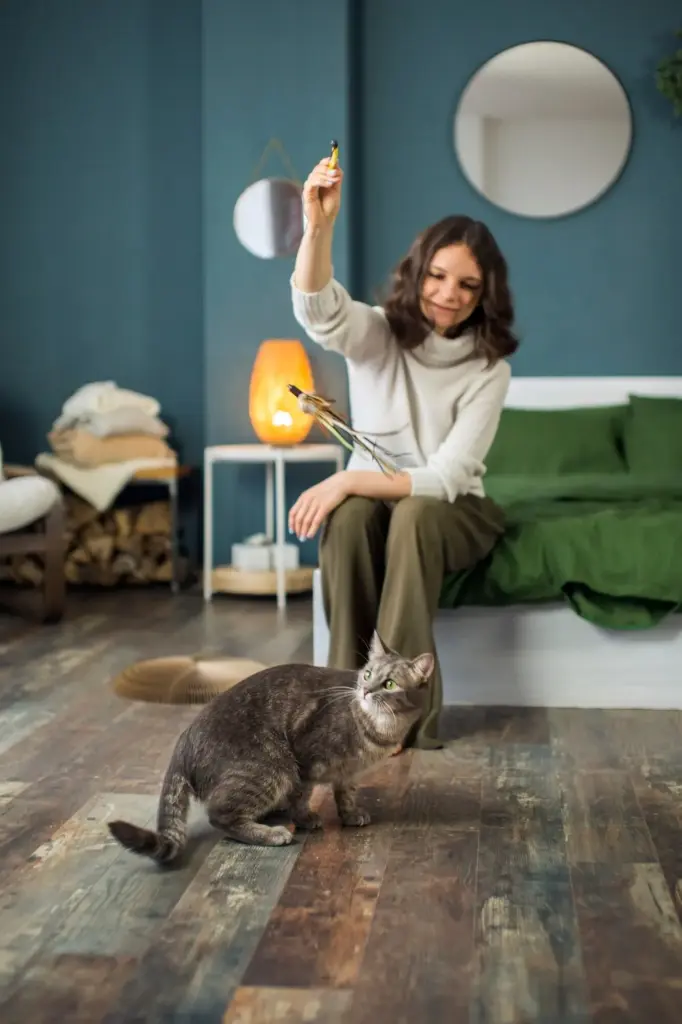
Keep potentially toxic plants out of reach on higher shelves or behind barriers. Secure tall planters with museum putty, and avoid dangling vines that invite playful paws. Offer pet-safe grass as a distraction. Clear labeling, thoughtful placement, and routine checks maintain curiosity, safety, and harmony in busy homes.

Seasonal Shifts and Growth-Responsive Layouts

Light angles, indoor heating, and outdoor temperatures change continually. Adjust shelves, corners, and windowsills to match the season rather than forcing plants to endure stress. Accept movement as part of care. Smart tweaks prevent shock, encourage steady growth, and make your space feel dynamic, intentional, and truly alive.

Windowsill Vignettes with Breathing Room and Practical Beauty

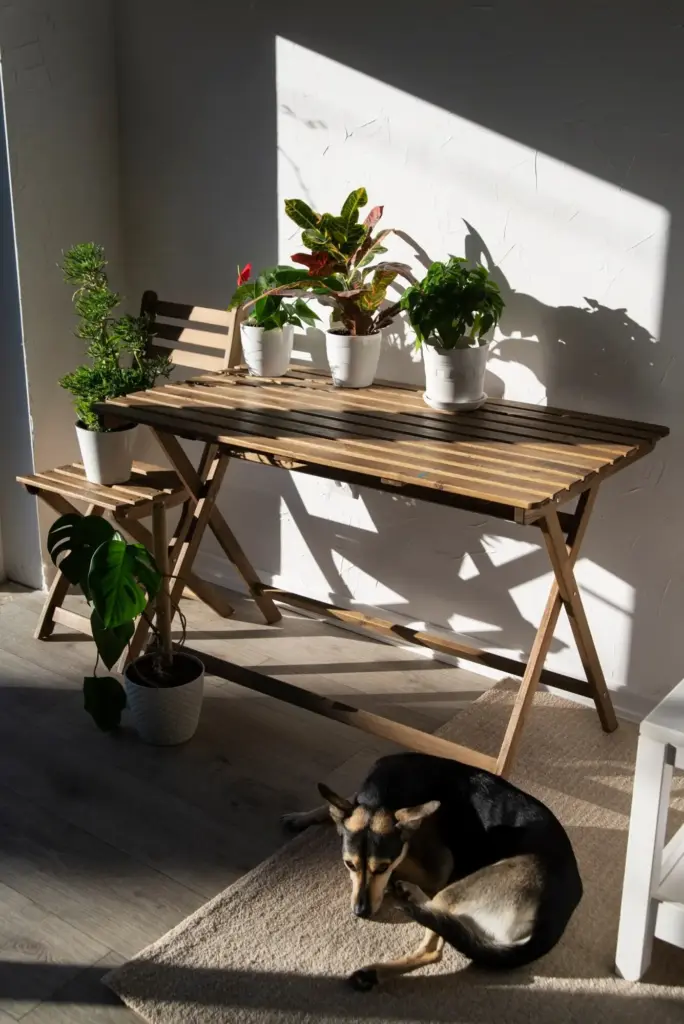
Arrange a tall focal plant, a medium companion, and a trailing accent to create layered depth without blocking light. Use matching saucers and a slim tray to unify the look. Leave space for airflow and cleaning, and include a small mister or brush tucked neatly within easy reach.

Shelf Stories: Cohesive Pots, Hidden Tools, and Soft Light

Pick two or three pot finishes to keep shelves calm, then hide a watering bulb, microfiber cloth, and moisture probe in a nearby box. Add a dimmable strip light under the upper shelf. Rotate plants into the spotlight and back again, maintaining both health and an evolving, welcoming display.

Join In: Share Photos, Ask Questions, and Grow Together

Rearrange one corner, shelf, or windowsill using the guidance here, then post before and after photos along with plant names and light notes. Comment with your trickiest placement puzzle, subscribe for monthly room-mapping prompts, and help others by answering questions. Collective problem-solving makes every space kinder to plants.
Kovukorominonexuze
Privacy Overview

This website uses cookies so that we can provide you with the best user experience possible. Cookie information is stored in your browser and performs functions such as recognising you when you return to our website and helping our team to understand which sections of the website you find most interesting and useful.