
Where Your Windows Point, How Your Plants Grow
Light behaves differently at every window, and houseplants respond with visible joy or quiet struggle. Today we dive into how north-, south-, east-, and west-facing exposures shape intensity, duration, and heat, and how to adapt placement, watering, and care. Expect practical pairings, seasonal adjustments, and gentle acclimation tips, plus real anecdotes that reveal how tiny changes—like a sheer curtain or a quarter turn of the pot—can transform growth, color, and flowering in everyday homes.
North-Facing Reality Check
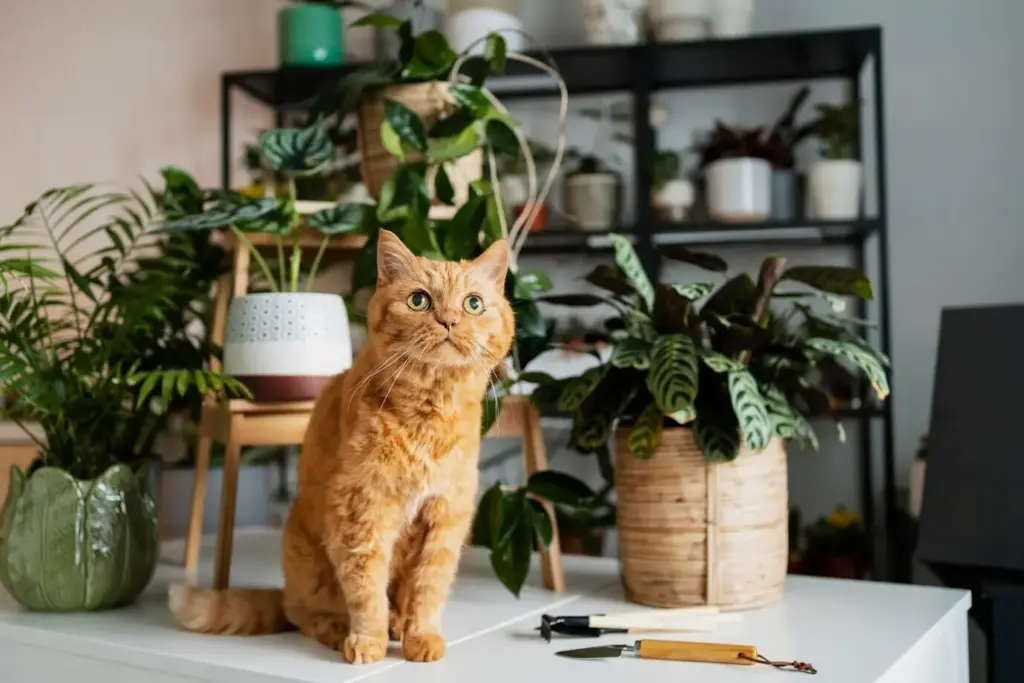
North windows in the Northern Hemisphere usually offer soft, indirect light all day, great for foliage that prefers consistency over drama. Think pothos, ZZ plant, philodendron hederaceum, and many ferns. Push them closer to the glass, use white walls to bounce light, and avoid heavy drapes. If growth stalls, add a modest grow light for a long photoperiod rather than high intensity. Measure with a phone app to verify, because cloudy cities and deep window recesses can reduce levels further.
South-Facing Abundance, Managed
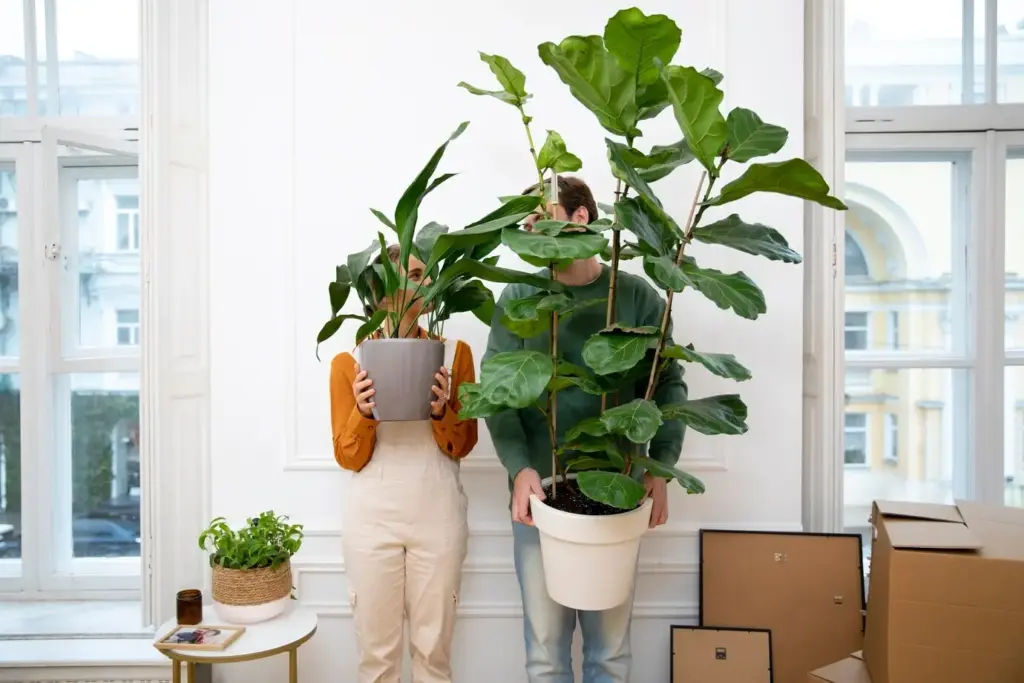
South windows deliver the longest, brightest exposure, especially midday, making them ideal for cacti, succulents, hoyas, and Mediterranean herbs. However, glass amplifies heat, and leaves can scorch without gradual acclimation. Start plants several feet back and inch forward weekly. Introduce sheer curtains to soften peaks while preserving total daily light. Rotate pots to prevent lopsided growth and watch soil moisture, which evaporates faster in strong light. A lux meter reveals surprising spikes even on cold, clear winter days.
Smart Pairings Between Green and Glass
{{SECTION_SUBTITLE}}
Low-Light Champions
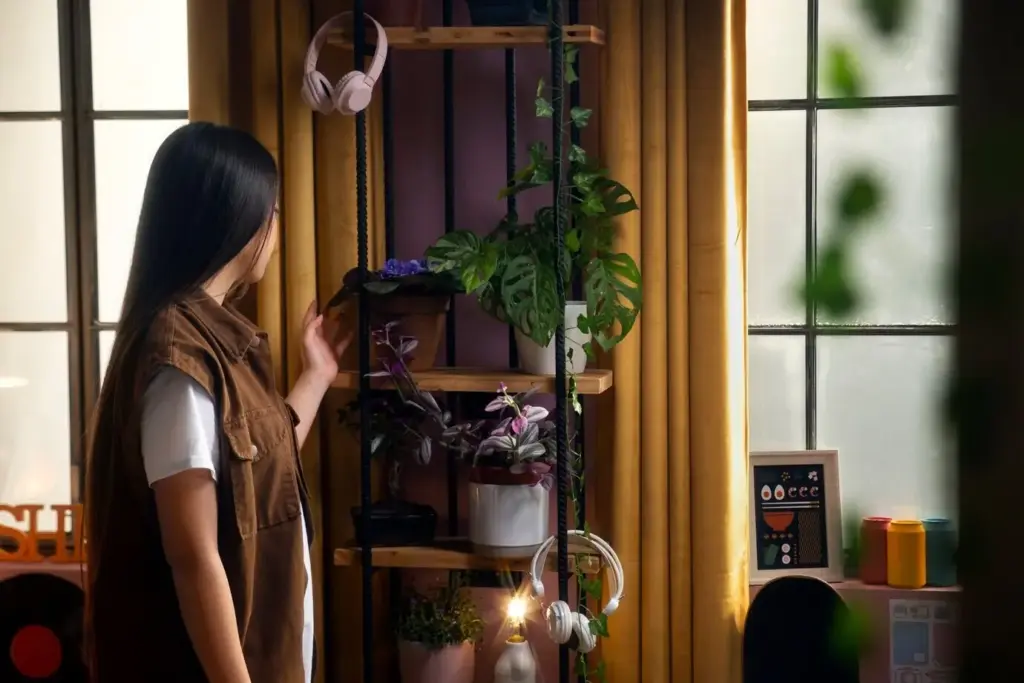
For calmer exposures or rooms shaded by trees, choose ZZ plant, pothos, heartleaf philodendron, aspidistra, and some ferns like Boston or kangaroo paw. These plants accept lower lux, especially when placed close to the window and given bright walls that reflect light. Growth will be measured rather than explosive, so celebrate steady, healthy leaves over rapid elongation. Supplement with gentle LEDs in winter to maintain rhythm, and keep soil airy to prevent waterlogging, since evaporation slows in these quieter corners.
Sun-Soaked Specialists
For bright, warm exposures, embrace cacti, euphorbia, echeveria, haworthia, jade, ponytail palm, and sun-hardy hoyas. Their thicker cuticles and compact habits handle intense rays when acclimated slowly. Use terracotta pots for breathability, gritty mixes for fast drainage, and spacing for airflow. Expect more frequent watering during active summer growth, paradoxically balanced by the mix’s quick drying. Watch leaf color: richer hues and tighter internodes often signal happiness, while bleached patches indicate you pushed too fast without filters or distance.
Seasons, Latitude, and the Moving Light
Light is not static: day length, sun altitude, and weather shift continuously. High latitudes experience dramatic seasonal swings, while tropical regions deliver steadier cycles with frequent cloud cover. A setup that thrived in June may stumble in December without adjustments. Plan shallow changes, not drastic resets. Adjust curtains, plant spacing, and watering cadence incrementally. Incorporate weekend check-ins to detect early signs of stress. When you anticipate change, plants transition gracefully, maintaining momentum through the year’s gentle and turbulent passages.
Winter Strategies That Keep Growth Alive
Short days, low sun angles, and drier heated air challenge indoor jungles. Move light-lovers closer to the glass and clean windows to maximize transmission. Consider longer photoperiods with modest-intensity LEDs to mimic bright, cool days. Water less frequently yet more thoughtfully, checking soil to avoid chronic dampness. Humidity trays or grouped plants help stabilize moisture. Accept slower growth as normal, focusing on prevention rather than pushing. A steady winter sets the stage for a confident spring surge once daylight rebounds.
Summer Shields Without Losing Beauty
Summer light can be generous and punishing. Add sheer curtains on south and west exposures to reduce harsh peaks while maintaining high total daily light. Increase airflow with a quiet fan to prevent fungal issues and hot pockets near glass. Water may be needed more often, but verify with a finger test or meter to avoid overcorrection. Rotate plants weekly so growth remains symmetrical. Remember that longer days increase photosynthetic opportunity; pair this with prudent fertilization, and you can safely unlock vibrant color and compact forms.
Measure What Your Eyes Misjudge
Human vision normalizes brightness, so rooms feel evenly lit when they are not. A basic lux app reveals drastic declines just a meter from the pane. Collect readings at several times and distances, then average them to guide placements. Compare results after adding a sheer or cleaning glass to quantify improvements. Measurements transform debates into data, helping you choose between moving a plant closer, increasing photoperiod, or changing species. Over time, you will predict outcomes accurately and refine your space with calm confidence.

Shape the Beam with Soft Barriers
Sheer curtains, frosted films, and lightweight blinds are allies, not enemies. They scatter harsh rays, maintain generous daily totals, and prevent leaf scorch. Use layers to fine-tune, pairing a thin sheer with an adjustable blind for dynamic days. Reflective white boards or light-colored walls bounce brightness deeper into rooms, reducing extreme contrast. Test positions weekly and document leaf responses. With small, reversible changes, you’ll craft microclimates for sensitive calatheas and ambitious succulents within the same beautiful, cohesive living space.

Acclimation That Prevents Leaf Shock
Plants read changes in light like a sudden weather event. Move them gradually, about thirty centimeters closer each week, and pause if leaves pale or curl. Increase airflow to dissipate heat while allowing photosynthesis to adjust. Rotate pots a quarter turn every weekend for balanced growth. When upgrading from low to bright light, extend hours before intensity, or filter with a sheer to avoid burns. Patience here pays compounding dividends, turning risky relocations into smooth transitions with stronger stems and richer color.
Water, Soil, and Feeding Aligned with Light
Light drives water use and nutrient demand. Brighter exposures accelerate evaporation and growth, while dimmer corners slow metabolism and increase risks from persistent moisture. Tune watering frequency to actual dryness, not the calendar. Use aerated mixes that match exposure, and adjust pot materials to influence drying speed. Fertilize during active seasons when days are longer and plants are building tissue, easing off as light wanes. Aligning these variables prevents root rot, promotes compact growth, and keeps leaves glossy, resilient, and expressive.
Stories, Fixes, and Community Wisdom
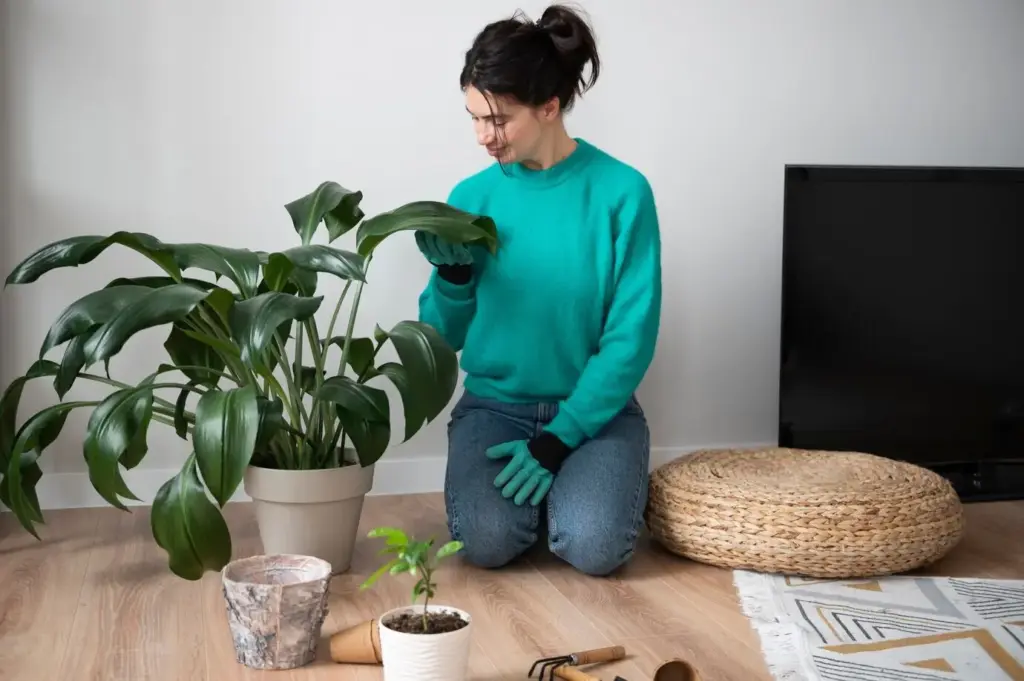
Behind every thriving shelf is a tale of experiments, mishaps, and small victories. Sharing these journeys turns isolated guessing into collective confidence. Offer your observations, ask questions, and celebrate progress with photos and notes. Try a monthly rotation challenge, or map your light and trade insights with friends. As patterns emerge—like how a sheer transformed a harsh window into paradise—you’ll gain principles you can repeat anywhere. Together we grow better, kinder, and more attentive to what leaves quietly tell us.