
Map Your Home’s Microclimates for Thriving Indoor Plants
Step into the art and science of microclimate mapping for indoor plants, where we design practical care plans by understanding light, humidity, and airflow zones across your rooms. Together we’ll transform guesswork into gentle routines, turning living spaces into resilient, beautifully balanced habitats that help leaves shine.
Reading the Light: From Lux to Leaf Confidence
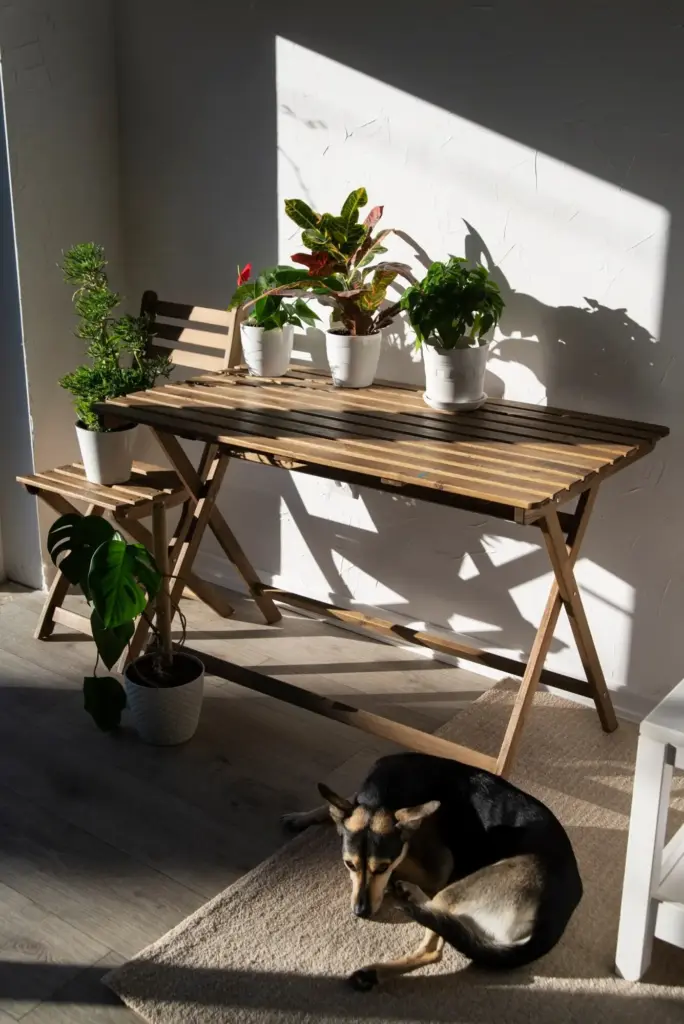
Schedule quick readings at breakfast, lunch, and dusk, then sketch zones that brighten and fade. Eastern exposures offer gentle starts, south can blaze, west lingers warmly. When you visualize these arcs, leaf scorch, legginess, and drooping suddenly explain themselves, and movement between perches becomes a calm, planned adjustment.
Phone apps and affordable meters translate brightness into numbers you can compare week to week. While PPFD tools read deeper for grow‑light users, even basic lux logs reveal patterns. Pair readings with photos and dates, and your plants’ posture becomes data you can interpret with growing confidence.
Light softens dramatically with distance, yet mirrors, glass tables, and white paint can bounce it back in helpful ways. Test moving a pot twenty, forty, then sixty centimeters from a window. Record leaf response, reduce watering slightly as light falls, and celebrate sturdier growth over showy speed.
Humidity Patterns You Can Gently Shape
Air dries as heating runs and wets as kettles sing, showers steam, or rain breathes through open windows. Instead of chasing perfect numbers, map the real rhythm of your rooms. Small, consistent interventions create stability that calatheas, ferns, and orchids trust more than dramatic but fleeting spikes.
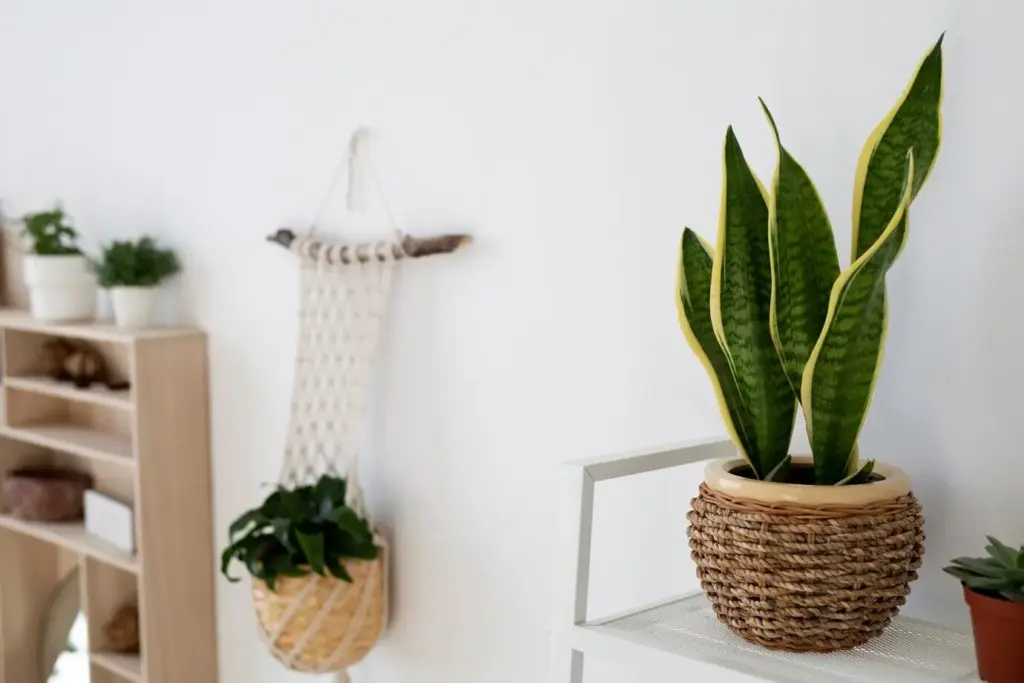
Mapping Daily Humidity Swings with a Simple Logger
Place an inexpensive hygrometer beside your most sensitive plant and another near a door or vent. Over a week, compare morning lows and evening highs. You will notice small, repeating dips you can cushion with trays, grouped foliage, or a gentle humidifier set on a modest schedule.
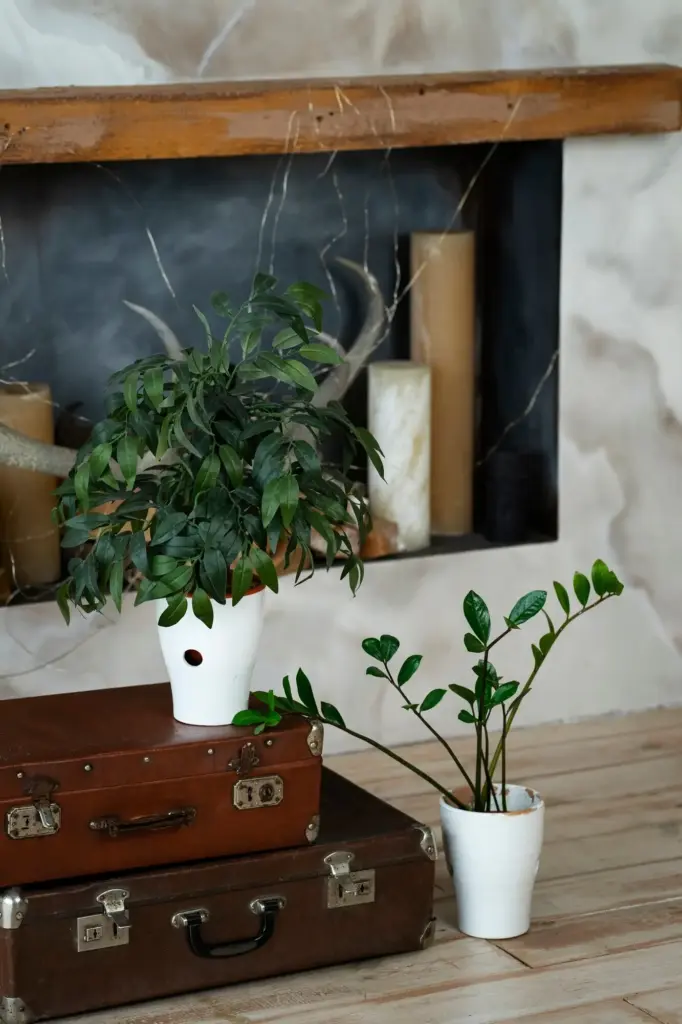
Creating Stable Zones: Pebble Trays, Domes, and Groupings
Cluster companions with similar needs, then use wide pebble trays that keep pots above water yet continually evaporating. For tender cuttings, clear domes protect without smothering. Stability builds slowly, so resist constant tweaks; let your logbook confirm improvements before scaling efforts to larger shelves or plant stands.
Airflow That Comforts Rather Than Stresses
Drafts Near Doors and Vents: Hidden Stressors
Stand in your plant’s place while someone opens the door or the furnace kicks on. If you feel a quick chill or blast, the leaves will too. Deflectors, screens, or a small repositioning can turn a punishing corridor into a calm, nourishing pathway of refreshing air.
Fan Placement That Prevents Fungus Without Frying Leaves
Aim fans to skim above canopies or bounce off a wall for diffusion, never directly into tender foliage. Low, steady settings keep moisture moving without stealing it. Combine with thoughtful spacing and you’ll see tighter internodes, fewer gnats, and far cleaner surfaces after regular misting or watering.
Rotating Pots to Balance Growth and Strengthen Stems
Every two weeks, turn each pot a quarter turn, observing how leaves chase light and how airflow dries soil edges. This ritual evens exposure, builds sturdier trunks, and reveals imbalances early, letting you correct them with subtle changes rather than dramatic, stressful overhauls later.
Designing Zones and Care Plans That Fit Your Rooms
Combine your maps into living zones: bright and dry, gentle and moist, or balanced and breezy. Assign plants by their true preferences, then draft simple routines for watering, feeding, and cleaning. Clarity reduces stress, saves money, and turns moving day into easy, predictable seasonal rebalancing.

Tools, Logs, and Routines That Keep You Consistent
Building a Simple Microclimate Dashboard
Dedicate a page for each room with columns for light, humidity, airflow, and notes on leaf posture. Add dates, watering amounts, and photos. Patterns emerge quickly, revealing which tweaks actually help, which are neutral, and which quietly nudge conditions away from what your plants need most.
Weekly Walkthrough: From Observation to Gentle Action
Choose a consistent day, then stroll your zones with coffee, touching soil, peeking under leaves, and checking meters. Prioritize three actions only. This focus prevents overcare and ensures next week’s notes reflect clear cause and effect, building trust between your observations and your plants’ responses.
When Data Conflicts with Leaves
Sometimes numbers say fine while foliage whispers stressed. Believe the plant, then test hypotheses. Adjust light distance, soften airflow, or nudge humidity, documenting each step. Over a month, the trend tells truth, and your practice matures from rigid rules into responsive, experience‑tempered, intuitive stewardship.
Share Your Map and Compare Notes with Fellow Growers
Your home’s patterns are unique, and others can learn from them. Post sketches, meter screenshots, and before‑after photos, and ask questions about puzzling corners. We’ll trade gentle experiments, swap plant placements, and celebrate small wins, building a supportive circle where thriving feels communal, fun, and sustainable.